

Indoor air quality is something many of us rarely think about until it becomes a problem. Yet the air inside our homes can contain pollutants released from cleaning products, building materials and even the paints we apply to our walls.
For many adults and children with asthma, these irritants can be particularly uncomfortable. Many conventional paints release vapours during application and drying that can irritate the lungs or trigger symptoms in sensitive individuals. Paint can continue to release fumes during the curing process which can take several weeks. This has led to growing interest in asthma friendly paint. The type of products most suitable for asthma sufferers are paints designed to minimise emissions, reduce chemical odours and support healthier indoor air.
In this guide we explain how paint can affect asthma, what makes a paint more asthma friendly, and which types of natural paint are suitable for use by sensitive individuals.
Can Paint Trigger Asthma?
Yes, paint can trigger asthma symptoms. Petrochemical based paints contain Volatile Organic Compounds (VOCs), and chemicals such as formaldehyde, benzene, toluene and other irritants which can affect the respiratory system. This irritation is usually linked to these chemicals being released during the curing process and inhaled.
Why Paint Fumes Can Irritate Asthma
Paint fumes can irritate the airways because of the chemicals released as the coating dries and cures. The main culprits are volatile organic compounds, known as VOCs, which evaporate easily into the air. As paint dries, these vapours are released into the room and can linger for some time, especially in enclosed or poorly ventilated spaces.
What’s happening when paint dries and the fumes are inhaled?
- VOC off gassing – As paint dries, it releases chemicals into the air. Some of these continue to off gas at low levels even after the paint feels dry.
- Respiratory irritation – Chemicals such as VOCs and ammonia can irritate the lining of the airways, which are often more sensitive in people with asthma.
- Airway inflammation – Breathing in these vapours can trigger swelling and increased mucus in the airways, which makes breathing feel tighter.
- Sensitivity to specific ingredients – Some people react more strongly to certain compounds, including formaldehyde or glycols found in some paints, even those labelled as low VOC.
- Higher emissions from solvent paints – Oil based paints and some primers release higher levels of VOCs, which can make symptoms worse.
For someone with asthma, this can make a freshly painted room feel uncomfortable very quickly, particularly during application and the first few days of drying.
What Does “Asthma Friendly Paint” Mean?
Paint that’s asthma friendly or hypoallergenic will rarely be clearly labelled as such. Generally it will contain trace VOCs, be low odour, no toxins such as formaldehyde, and no chemicals that are known allergens.
Key characteristics of asthma friendly paint include:-
- Low VOC content – Paints with very low VOC levels release far fewer vapours into the air as they dry.
- Low odour formulations – Some paints give off a strong chemical smell, others are barely noticeable. This usually comes down to the ingredients used.
- Fewer synthetic additives – Preservatives, solvents and other additives can contribute to irritation, particularly in more conventional paints.
- Avoiding solvent based coatings – Oil based paints and some primers tend to release higher levels of fumes and are more likely to cause problems.
These factors affect fume exposure while you are painting and a few weeks or even months afterwards. Longer term, some paint characteristics will actively keep indoor air quality higher than paints with high levels of VOCs.
Ongoing benefits include:-
- Breathability – Highly breathable paints allow moisture to move through the wall surface, helping reduce condensation and the risk of mould over time.
- Mineral composition – Paints based on lime, clay or silicate tend to contain fewer synthetic ingredients and support a more stable indoor environment.
- Air purifying properties – Some mineral paints use photocatalytic technology to break down pollutants such as VOCs and formaldehyde when exposed to light.
Best Paint Types for Asthma Sufferers
Our natural paint ranges have many options that are suitable for use by asthma sufferers.
Lime Based Paints
Lime paints are made using calcium hydroxide as a binder. They cure through a natural carbonation process and contain very few synthetic additives. These paints are highly breathable and typically have trace VOC emissions. Some modern lime paints also include photocatalytic technology that helps break down certain pollutants in the air.
Clay Paints
Clay paints are made from natural earth minerals and pigments. They are extremely breathable and produce very little odour during application. Because clay paints contain no plastic binders they can help regulate humidity within a room, supporting a comfortable indoor environment.
Low VOC Natural Emulsions
Some natural paint manufacturers produce durable emulsions that combine mineral ingredients with almost zero VOC levels. These paints behave similarly to conventional emulsions while reducing chemical emissions.
Best Asthma Friendly Paint Options
Need help narrowing things down? Several modern natural paints combine durability with very low emissions, making them popular choices for healthier interior decorating. Here’s some recommended paints to start your research:-
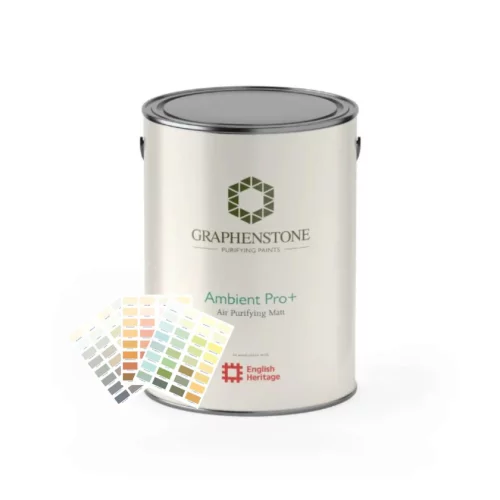
Graphenstone Ambient Pro is an advanced mineral paint based on lime. It uses photocatalytic technology that helps break down pollutants such as VOCs and formaldehydes when exposed to light. The paint is also extremely breathable and absorbs carbon dioxide during curing.
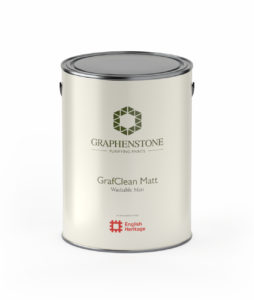
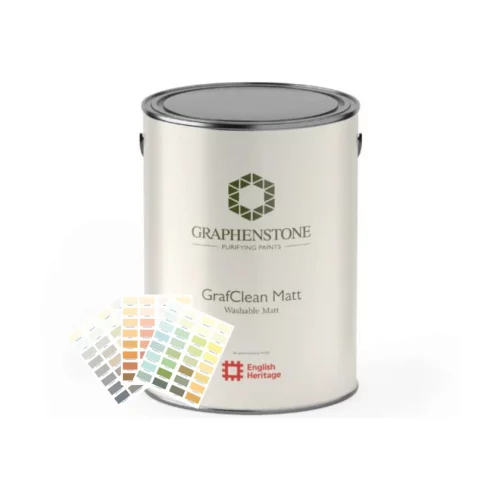
Graphenstone Grafclean is a washable mineral based wall paint with extremely low VOC emissions. It provides a durable interior finish while maintaining excellent breathability.
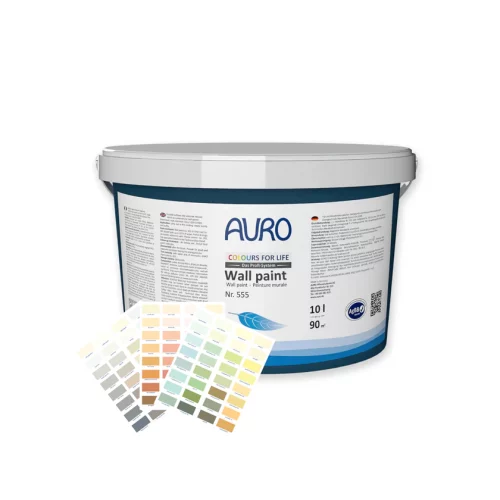
AURO 555 Premium Emulsion is a natural interior paint with very low VOC content and minimal odour during application. It offers a familiar emulsion style finish while using more environmentally responsible ingredients.
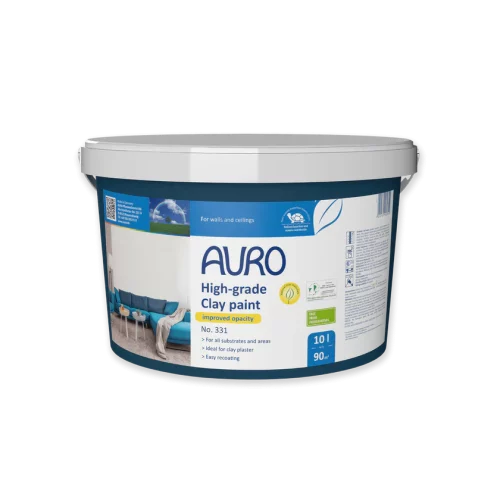
AURO 331 Clay Paint is a mineral clay coating that is highly breathable and contains no synthetic plastic binders. Clay paints are often chosen for bedrooms and living spaces where comfortable indoor air quality is a priority.
Need Help Choosing Paint?
If you need help choosing the right paint, we can help. Contact us for tailored information and support, we’ll be happy to help.
Natural mineral paints offer an increasingly popular alternative to conventional synthetic coatings. With extremely low VOC levels, breathable finishes and carefully selected ingredients, they provide a practical way to decorate while prioritising indoor air quality.