

Clay paint is a traditional paint formulation with a long history. In recent years it’s seen a resurgence in popularity as homeowners reconnect with the benefits of natural, breathable alternatives to conventional wall paints. It is especially well suited to older buildings, but it is also used in modern homes where people want a softer aesthetic and healthier indoor environment.
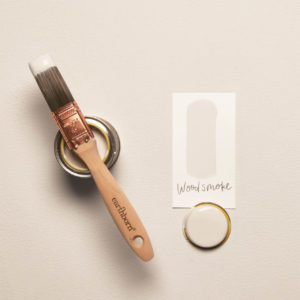
So is clay paint actually good for interior walls? In many cases, yes. But like all paint types, it has its pros and cons. In this guide we take a look at how clay paint performs, how it looks when applied, how durable it really is, and where in the home it works best.
What Is Clay Paint?
Clay paint is a natural, water based wall finish made from clay, mineral fillers and natural pigments, with plant based or mineral binders. Unlike modern plastic emulsions, it contains no acrylics or vinyls. This allows it to remain highly breathable and vapour permeable which allows moisture to escape naturally.
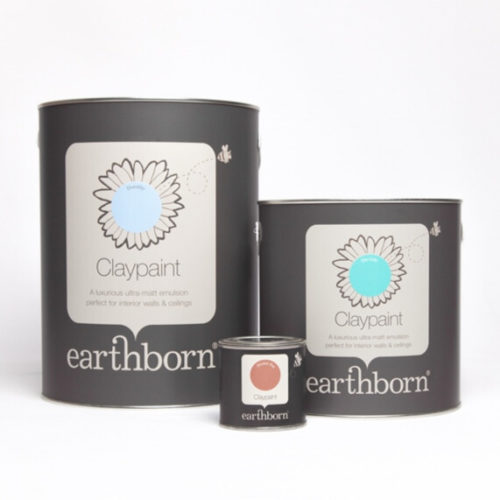
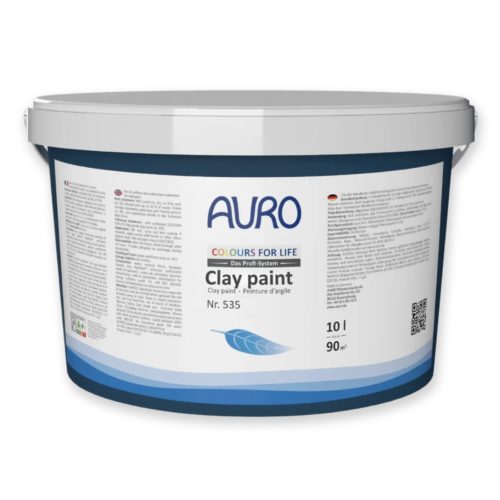
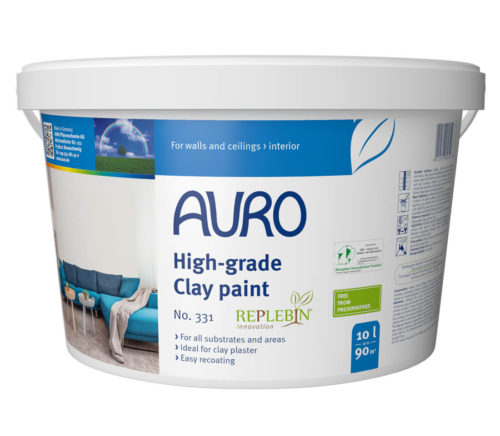
Modern formulations like Auro 331 (white), Auro 535 (coloured), and Earthborn Claypaint preserve traditional breathable qualities while offering improved ease of use and colour consistency.
Clay paint is often chosen for its compatibility with older buildings, but its appeal goes beyond heritage properties. Many people now choose it for interior walls simply because of how it looks and feels in everyday living spaces.
What Does Clay Paint Look Like On Interior Walls?
One of the main reasons people fall in love with clay paint is the finish. Clay paint creates an ultra matt, velvety surface texture that gently diffuses light rather than reflecting it. The result is a soft, natural appearance with subtle depth rather than a flat, uniform block of colour.
On the wall, clay paint tends to:
- Create a calm, muted aesthetic.
- Soften harsh daylight and artificial lighting.
- Hide minor surface imperfections better than sheen paints.
- Feel visually warmer and more natural than plastic emulsions
Slight tonal variation is normal and is often seen as part of its character. In period homes, this works beautifully with plasterwork, timber, and original architectural details. In contemporary interiors, it creates a softer alternative to the clinical feel of modern matt emulsions.
Is Clay Paint Durable Enough For Interior Walls?
Clay paint is suitable for most interior walls, but extra care and gentle maintenance may be required in some areas.
It does not form a hard plastic film, so it will never behave like a scrub resistant vinyl matt. However, modern clay paints are significantly more durable than many people expect.
In real world use:
- Clay paint performs well on walls in living rooms, bedrooms, dining rooms, offices and hallways.
- It copes well with normal domestic wear.
- Light marks can often be brushed away or touched up discreetly.
- It is less suited to frequent scrubbing or heavy abrasion.
Many users find that clay paint actually ages more gracefully than conventional paint. Instead of looking patchy or shiny in worn areas, it tends to maintain a consistent, soft appearance.
If you are looking for a paint that can be scrubbed regularly with detergents, clay paint is not the best choice. If you want a breathable, natural finish that holds up well in normal living spaces, it performs very well.
Benefits Of Using Clay Paint On Interior Walls
Clay paint offers more than just an attractive finish, it performs a function that is important to many homes and their owners.
Breathability And Moisture Regulation
Clay paint is an exceptionally breathable paint. Auro 331 and Auro 535 have SD values below 0.015 m. Earthborn Claypaint has an SD value of 0.02 m. All fall within SD Class 1, the highest breathability classification.
This allows moisture vapour to pass through freely, which is especially beneficial for:
- Solid wall buildings.
- Lime plastered surfaces.
- Homes prone to condensation.
- Bedrooms and living areas where indoor air quality matters.
Clay paints can absorb and release small amounts of moisture, helping to regulate indoor humidity levels.
Health And Indoor Air Quality
Clay paints are typically:-
- Very low in VOCs.
- Low odour or odour free.
- Free from acrylics and synthetic resins.
- Naturally antistatic, meaning they attract less dust.
Earthborn Claypaint is certified under the EU Ecolabel, is EN71-3 certified (child and baby safe), and contains no acrylics or oils. This makes it particularly suitable for nurseries, bedrooms, and allergy sensitive households.
Visual Softness And Comfort
Many people describe rooms painted in clay paint as feeling calmer and more comfortable. The way the surface absorbs light, combined with the mineral composition, creates an environment that feels softer than conventional painted rooms.
Where Clay Paint Works Best In The Home
Clay paint is an excellent choice for most general living spaces.
It is particularly well suited to:
- Bedrooms
- Living rooms
- Dining rooms
- Home offices
- Hallways and landings
- Snugs and reading rooms
- Ceilings throughout the home
These areas benefit most from clay paint’s breathability, low odour, and soft aesthetic, without being subjected to constant splashing or aggressive cleaning.
It is also very popular in nurseries and children’s rooms where indoor air quality is a priority.
Suitable Substrates For Clay Paint
Clay paint can be applied to a wide range of common interior surfaces when they are properly prepared.
Suitable surfaces include:-
- Lime plaster.
- Gypsum plaster.
- Plasterboard and gypsum boards.
- Brick and concrete.
- Wallpaper suitable for painting.
- Existing paints, both breathable and conventional, if stable.
On very smooth or low absorbency surfaces, a suitable primer may be required.
A Note About Clay Paint And Lime Plaster
Lime plaster is highly alkaline. This can occasionally influence how certain pigments behave, leading to minor colour variation. For this reason, using a tester first is always advisable when painting over lime.
Clay Paint In Period Properties
Clay paint remains an excellent choice for older or heritage buildings because it works with traditional materials rather than against them.
It is especially suitable for:-
- Georgian and Regency homes with lime plaster.
- Victorian terraces with solid brick walls.
- Cottages built with stone, cob or earth.
- Arts and Crafts interiors with natural materials.
By allowing walls to breathe naturally, clay paint supports the long-term health of traditional fabric while still offering a beautiful decorative finish.
Clay Paint Compared To Other Breathable Paints
Clay paint is one of several breathable options suitable for interior walls. If breathability is a primary consideration, you may wish to consider the following paint types:-
- Limewash is extremely breathable and traditional, but visually more variable and less durable.
- Lime paint offers excellent breathability with higher durability than limewash and is often better suited to kitchens, bathrooms and problem walls.
- Casein paint is durable, breathable, and suitable for walls and woodwork, but less commonly used than clay or lime paints.
- Clay paint sits in the middle. More durable and easier to live with than limewash, softer and more natural than most modern paints, but less robust than some mineral paints.
So… Is Clay Paint Good For Interior Walls?
For most living spaces, the answer is yes.
Clay paint offers:
- A beautiful, ultra matt finish.
- Excellent breathability.
- Low odour and low VOC content.
- Good durability for normal domestic use.
- Compatibility with both traditional and modern substrates.
It is not designed for constant scrubbing or heavy moisture exposure, but used in the right rooms, it is one of the most satisfying interior wall finishes available.
Clay paint does not try to behave like plastic paint. Instead, it offers a healthier, softer, more breathable alternative that suits the way many people actually live in their homes.
Do you need more info about our range of clay paints? Drop us a line about your project and one of our friendly team of paint experts will be happy to help!