

Bedrooms are particularly prone to growth of mould spores. If you’ve noticed tell tale patches of black or green in the corners of your walls or on the ceiling, you need to act as soon as possible to prevent further spread.
Due to bedrooms being enclosed spaces where you and your family spend many hours sleeping, getting rid of mould immediately is vital.
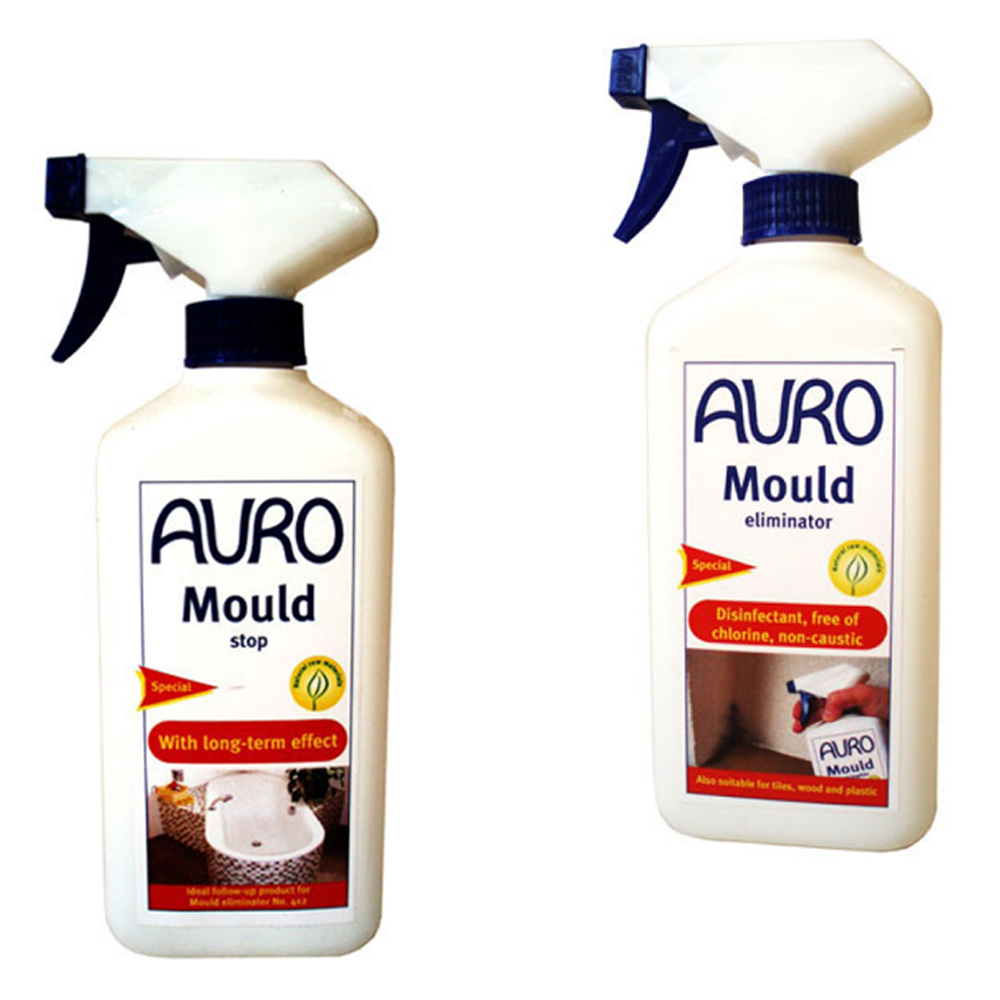
The good news is that bedroom mould can usually be removed safely and effectively without harsh chemical sprays. In fact, natural solutions are more effective than bleach based anti mould sprays which often hide the problem and don’t kill the spores.
Is Mould in the Bedroom Dangerous?
Mould in bedrooms can cause issues, but in low concentrations spores are usually harmless to adults in good health.
However, being exposed to higher concentrations when black and green mould grow unchecked can lead to allergic reactions like irritated eyes and throats. Coughing, shortness of breath, and worsening asthma symptoms can also be a side effect of mould exposure.
Some mould types can also produce mycotoxins, which may irritate the airways after inhalation.
Sleeping in a room with mould can cause unpleasant symptoms over time, especially for children, people with asthma, allergies or weakened immune systems.
How to Get Rid of Mould in the Bedroom Naturally
Natural mould removal is highly effective, and a superior solution to bleaching your problems away.
The key to effective mould removal is treating both the visible mould and the invisible spores that remain after cleaning. Mould is highly resilient and can survive dryness, heat and cold. Even dried mould stains may become active again when exposed to moisture.
Our key supplier of natural paint and home products, Auro, has developed a two step system. This is designed to kill the spores, and then prevent them coming back through application of another treatment which retards future mould growth.
Here’s how it works:-
Step 1: Get Rid of Active Mould with AURO 412 Mould Eliminator
AURO 412 Mould Eliminator is a chlorine free disinfectant designed to remove mould safely from interior surfaces, including painted walls, ceilings, wood, tiles and plastic.
- Ventilate the bedroom well before starting.
- Spray AURO 412 directly onto the mould affected areas.
- Leave it to soak for at least one hour, and allow it to dry.
- Gently wipe away loosened mould particles using a soft brush or sponge.
- Wipe the surface clean. Care may be needed on delicate surfaces such as painted walls. The product leaves no harmful residue when removed properly.
The formulation contains only natural and plant based ingredients, allowing it to remove mould effectively without chlorine fumes.
Step 2: Prevent Mould Regrowth with AURO 413 Mould Stop
Once the surface is clean and dry, AURO 413 Mould Stop is applied to prevent future mould growth.
- Spray AURO 413 onto the treated surface.
- Allow it to dry naturally.
- Do not rinse off.
This step helps prevent mould spores from settling and re-establishing, providing long-term protection in mould prone bedrooms.
Once treated and aired, the room can be used again without lingering chemical odours.
Can You Paint Over Mould in a Bedroom?
No, you can’t paint over bedroom mould. Your problems will be back to haunt you! Painting over mould may seem tempting, but it is never a long term solution. Mould will continue to grow underneath the paint and often reappears worse than before. All active mould must be removed and treated before redecorating.
If your bedroom is mould prone, you may wish to consider specialist anti mould paints next time you redecorate.
How Breathable Anti Mould Paints Protect Bedrooms from Mould
Breathable paints can play an important role in mould prevention once surfaces are properly treated. These paints allow moisture vapour to pass through instead of becoming trapped inside walls, making them very suitable for solid wall heritage properties.
We highly recommend considering a breathable paint. Formulated with lime as a primary ingredient, this type of paint creates a high ph naturally alkaline environment which is hostile to mould growth.
Unlike conventional paints with synthetic chemical based anti mould ingredients, lime based paints remain permanently effective. Synthetic anti mould paint additives break down over time, allowing mould to eventually return.
For best results, anti mould paint should always be used as part of a complete treatment plan that includes mould removal and moisture control. You should identify and remedy causes of mould growth before redecorating to ensure the best possible results.
What Causes Mould in a Bedroom?
If you want to stop mould from coming back, you need to tackle the underlying causes. Mould needs moisture, warmth and organic material to grow, and bedrooms often provide all three.
Here’s some things to consider to help reduce the chances of mould returning:-
Condensation and Moisture Overnight
Humans release moisture into the air while sleeping, sometimes up to a litre per person per night. This warm, moisture laden air can condense on cold bedroom walls, ceilings and window reveals, creating ideal conditions for mould growth.
Poor Ventilation
Bedrooms are often shut overnight to retain heat or reduce noise. In modern, well sealed homes, this lack of airflow allows moisture to build up instead of escaping outside.
Make sure you ventilate your room. It might seem counter intuitive in winter, but leaving your windows open for a while each day will allow damp air to escape. Dry air is much easier to heat than humid air, which means your heating will be more effective.
Temperature Differences
Unheated or cooler bedrooms connected to warmer living areas are particularly vulnerable. When warm air enters a colder room, condensation can form on external walls and ceilings.
If your home has poor insulation in external walls and ceilings, this can create cold spots which allow moisture to form as warm air meets cold areas on walls and ceilings. Mould spores love damp conditions.
Furniture Placed Against Walls
- Beds, wardrobes, headboards and storage units placed tightly against external walls restrict airflow.
- These hidden areas are a common reason for mould behind beds and mould on bedroom walls.
- Move furniture out slightly from walls to allow air to circulate, and check behind it regularly to ensure no mould has crept in.
Structural or Damp Issues
Leaking gutters, roof defects, cold bridges or rising damp can keep walls permanently cool or damp. Where mould keeps coming back despite good ventilation, structural moisture problems should always be investigated.
How to Help Stop Mould Coming Back in the Bedroom
- Improve Airflow – Open windows fully for short periods each day to create ventilation. Tilting windows permanently is far less effective. Leave at least 5 cm of space between furniture and external walls.
- Control Indoor Humidity – Aim to keep indoor humidity around 50 percent. Avoid drying clothes in bedrooms and ventilate any moisture from nearby bathrooms immediately. Use a dehumidifier if needed.
- Maintain Even Heating – Try to avoid large temperature differences between rooms. Warm air holds more moisture and helps transport it outside during ventilation.
Need Further Advice?
Please contact us if we can help with advice on how to use our natural anti mould products in your home.