

Some people can live with freshly painted walls without noticing much at all. Others develop headaches, breathing irritation or skin and other unpleasant reactions. If you are sensitive to paint fumes or have experienced symptoms after decorating, you are not alone. Increasing numbers of households are now sourcing anti allergy paint options that support better indoor air quality and reduce or eliminate the risk of reactions.
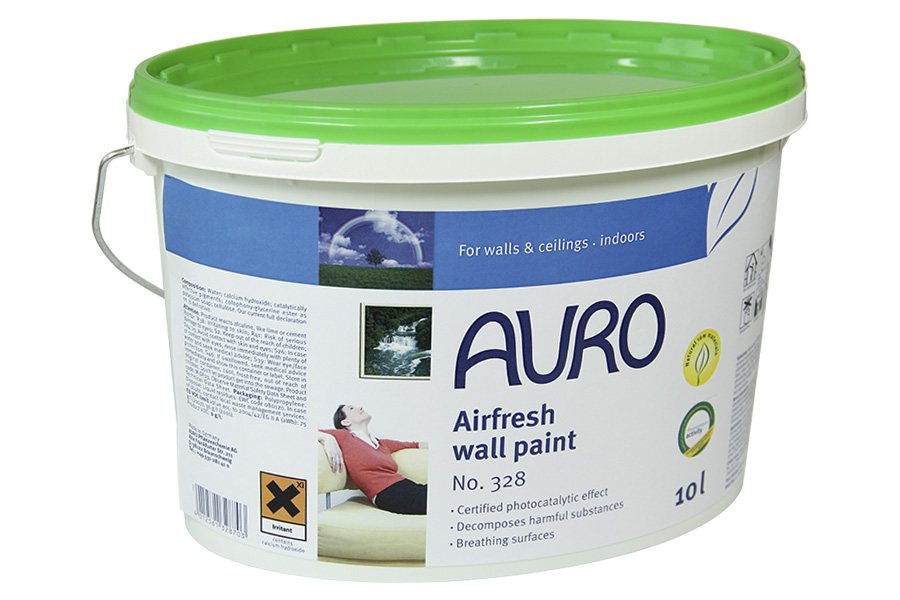
Modern paints have improved significantly over the years, but many still contain preservatives, solvents and additives that can trigger symptoms in sensitive individuals. That doesn’t mean every paint will cause a reaction, but it does mean that choosing the right formulation matters more if you or someone in your household has asthma, chemical sensitivities or a history of reacting to strong odours.
This guide explains why some people react to paint, the most common symptoms, and what to look for when choosing low allergy paints.
What Do Paint Allergy Symptoms Look Like?
Paint allergy symptoms are often triggered by VOCs or chemicals in paint formulations. Reactions can include skin irritation including itching, redness, swelling or even hives. When inhaled, fumes can cause respiratory symptoms like coughing, wheezing, and a runny or itchy nose.
Headaches and nausea are common, as are runny eyes and dizziness. Not all of these symptoms will be related to true allergies, but rather sensitivity to airborne chemicals.
Key symptoms of allergy or sensitivity to paint chemicals include:-
Respiratory symptoms – wheezing, coughing, chest tightness, shortness of breath, sinus flare ups, asthma flare ups.
These reactions are often linked to fumes released during painting and the drying period. Even paints labelled low odour can still emit small amounts of vapour that irritate sensitive airways.
Neurological symptoms – headaches, dizziness, nausea, fatigue, eye irritation, sensitivity to smells, difficulty concentrating.
People who are chemically sensitive often report these symptoms when exposed to strong paint odours or newly decorated rooms.
Skin and contact reactions – Eczema flare ups, contact dermatitis, itching, redness, rashes.
These types of reaction are sometimes linked to preservatives used in conventional modern water based paints.
It is also important to recognise delayed reactions. Symptoms do not always appear while painting is taking place. Some people feel unwell after spending time in a newly painted room or notice reactions the following day once the paint has begun to cure.
What Types of Chemicals in Paint Cause Reactions?
Reactions to paint are usually caused by a combination of emissions and specific ingredients. Paints marketed as low VOC can still contain solvents, preservatives or additives that affect sensitive individuals.
Common causes of paint sensitivity include:-
- Preservatives used to prevent mould in paint tins.
- Solvents that evaporate during drying.
- Fragrance or masking agents.
- Synthetic binders and plastic resins.
- Biocides added for durability.
For many people these ingredients do not cause noticeable problems. For those with asthma, chemical sensitivity or existing allergies, they can contribute to discomfort and even severe health effects during and after decorating.
Common Paint Ingredients That Can Trigger Reactions
Not everyone reacts to paint in the same way, but certain ingredients are more frequently linked to asthma symptoms, skin reactions or chemical sensitivity. Understanding what is in a paint can make it easier to choose a formulation that is better tolerated.
Isothiazolinone Preservatives (MI, BIT, CMIT)
These are among the most common triggers in modern water-based paints. Methylisothiazolinone (MI), benzisothiazolinone (BIT) and chloromethylisothiazolinone (CMIT) are used to prevent mould growth in the tin. They are well known for causing contact dermatitis and can aggravate respiratory symptoms in some sensitive individuals. For people with known MI allergies, avoiding these preservatives is vital and paint must be carefully selected.
Other Preservatives and Formaldehyde-Releasing Agents
Some paints contain additional preservatives to improve shelf life. These may include formaldehyde releasing agents used in very small quantities. They can cause irritation or sensitivity in some individuals, particularly in freshly painted rooms.
Solvents and Coalescing Agents
Low VOC paints still use small amounts of solvents to help the paint film form as it dries. Examples sometimes found in conventional paints include glycol ethers or coalescing agents such as Texanol. These ingredients can contribute to paint odour and may trigger headaches, nausea or breathing irritation in sensitive individuals.
Ammonia and pH Adjusters
Ammonia can be used in paint formulations to stabilise the mixture. The smell can be noticeable during application and may irritate airways for people with asthma or chemical sensitivity.
Biocides and Fungicides (Anti Mould Additives)
To prevent mould growth in the paint or on the wall surface, manufacturers may include biocides. Compounds such as zinc pyrithione or octylisothiazolinone are sometimes used for this purpose. These can cause irritation in sensitive individuals.
For many people with paint sensitivity, the most significant triggers tend to be preservative systems such as MI, strong solvents and added fragrance. Checking technical data sheets and choosing low emission formulations with minimal additives can help reduce the likelihood of discomfort.
How Natural Paints Can Help
Many chemically sensitive households find that mineral or plant based paints are the best choice to avoid the allergy issues presented by conventional synthetic paints. These formulations are natural and free from many of the additives that trigger allergies.
Common natural ingredients in these paints may include:
- Lime.
- Clay.
- Chalk.
- Natural resins.
- Plant oils.
These materials tend to produce lower emissions and a more neutral indoor environment. While no paint can be guaranteed completely reaction free for every individual, choosing simpler formulations with fewer additives will reduce the likelihood of irritation.
For those with acute issues due to MI / MIT in paint, we do stock a good range of products which are free from these preservatives. Check out our MI / MIT free paint range here.
Frequently Asked Questions
Can paint trigger asthma?
Some people with asthma find that paint fumes aggravate symptoms, particularly in enclosed or poorly ventilated spaces. Choosing natural paint and ventilating well can help reduce this.
Why do I feel ill after painting a room?
Symptoms are often linked to exposure to fumes or specific ingredients. Headaches, dizziness and breathing irritation are commonly reported by sensitive individuals.
How long should I wait before using a freshly painted room?
Allow the paint to dry fully and keep the room well ventilated. Many people find waiting overnight or longer helps ensure comfort.
Creating A More Comfortable Home Environment
For people with asthma, chemical sensitivities or a history of reacting to paint fumes, choosing the right paint can make a noticeable difference to comfort at home. Anti allergy paint options focus on reducing emissions, avoiding unnecessary additives and supporting better indoor air quality.
Modern natural paints allow households to decorate confidently without sacrificing durability or appearance. With the right formulation and sensible ventilation during decorating, it is entirely possible to create freshly painted spaces that feel calm, comfortable and easy to live in.